
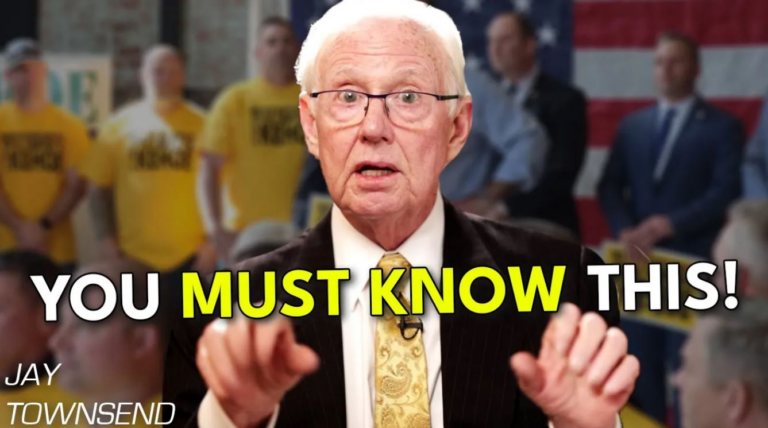
Running for governor is unlike any other race. The governor is the most powerful person in your state — presiding over budgets that range from $4 billion to more than $250 billion, managing thousands of state employees, and making decisions that touch virtually every aspect of life for every resident. In this video, political consultant Jay Townsend covers the six essentials of a successful gubernatorial campaign: knowing the job, building a powerful network, understanding your state’s demographics, crafting a compelling message, developing an advertising plan, and raising the money to make it happen.
The first thing any gubernatorial candidate must do is understand the gravity of the job they are seeking.
There is no governor in the United States who presides over a budget of less than $4 billion. Some govern states with budgets exceeding $250 billion. Governors manage thousands of employees, allocate billions of dollars across competing priorities, shape criminal justice policy, help determine how schools are funded, and exercise more power than any other single elected official in their state.
Voters know this. They pay more attention to a governor’s race than they do to most other offices because they understand the stakes. They will expect you to demonstrate that you know where the money comes from, how it’s spent, and what you plan to do with the office once you win it. Fuzzy answers and vague promises won’t cut it at this level. Know what the job entails and the power that comes with it at the outset.
No one wins a governor’s race without a serious network of influential supporters. At the statewide level, that network has to be deep and broad.
Start with your political party’s organizational structure. The state chair, the executive committee, and the county chairs across your state all have a direct interest in who their party nominates for governor. You don’t need every one of them — but winning the gubernatorial nomination is very difficult without meaningful support from at least a portion of the party apparatus.
Beyond party officials, look to the elected officials in your state who run on your party line: state senators, state representatives, county commissioners, and members of Congress. These people have already won elections. They understand the geography and demographics of their districts better than almost anyone. Their contact lists are full of people who helped them win — donors, volunteers, and community leaders — who could become part of your coalition. Cultivate these relationships early and deliberately.
Running a statewide race requires a detailed understanding of the marketplace — not just broad strokes, but county-by-county granularity.
You need to know the age distribution of your electorate, income levels, racial and ethnic composition, education levels, and past turnout patterns by geography. These factors vary enormously from one part of a state to another, and a winning gubernatorial coalition requires assembling enough different groups to get you to a majority.
This kind of demographic intelligence shapes every strategic decision you make — which messages to emphasize in which regions, which advertising mediums to prioritize, which communities to invest time in, and where your opponent is likely to be strong and most vulnerable. Candidates who treat their state as a monolith lose. Candidates who understand it as a collection of distinct communities with distinct concerns win.
Your campaign message in a governor’s race has to address five questions — questions voters will have regardless of the way they articulate them.
1. What makes you qualified for this job?
Voters understand that managing a state government is a significant undertaking. They want to know that you’re capable — that you’ve managed people, managed budgets, and dealt with complexity at scale. Whatever your background, you need a credible answer to this question.
2. Are your values in sync with mine?
Voters want a governor whose moral code aligns with theirs. That means talking specifically about the things you care about — the quality of schools, the safety of communities, the fairness of the tax burden, the responsiveness of government. Show them, in concrete terms, that you share their priorities, their notions of right and wrong, good and evil, just and unjust.
3. What are you going to do for the people of this state?
This is the heart of your campaign. How will you improve quality of life? What problems will you fix? What injustices will you correct? Be specific. Voters at the gubernatorial level are skeptical of generalities. They want to know exactly what changes you’ll pursue, and your top priorities.
4. Why are you really running?
Voters have been burned. They’ve watched too many politicians promise things and deliver nothing, or pursue office for personal gain. They will be looking for evidence that your motivation is genuine. Tell them a real story from your life — an experience that shaped your values and your purpose. Give them a reason to trust you.
5. Why you and not your opponent?
In a competitive race, voters want a clear choice. In the final stretch of a campaign, your job is to draw the contrast sharply and clearly — to give voters an unmistakable picture of what separates you from the alternative. Make the choice easy.
Very few candidates are elected governor without paid advertising. A statewide electorate is simply too large to reach through earned media and grassroots organizing alone.
Your advertising mix in a gubernatorial race will typically include some combination of the following. Social media — both free content and paid placements on Facebook and YouTube — is essential for reaching targeted audiences cost-effectively. Digital advertising allows your message to appear when voters are reading local news, checking the weather, or browsing their preferred sites. Persuasion mail — targeted direct mail sent to specific households — remains a standard tool for delivering detailed messages about your qualifications and record. Radio reaches listeners in markets where it’s still a dominant medium. And television — including OTT, connected TV, cable, and broadcast — is the most powerful mass-market advertising available, though also the most expensive.
The reality of any gubernatorial campaign is that you will never have all the money you need or want. You’ll have to make tough choices about which mediums fit your state, your audience, and your budget. That’s why building a detailed campaign budget — one that accounts for headquarters, staff, voter contact, and advertising — is not optional. Know what your plan costs before you start spending.
Gubernatorial campaigns are expensive. The candidate must be personally involved in raising the money — there is no way around it.
The most common fundraising methods in a governor’s race include direct personal asks — conversations in which you personally request contributions from individuals capable of giving at a meaningful level. Surrogate fundraising, where supporters in your network host events, send letters, or email their contacts on your behalf, extends your reach without requiring your direct time. Direct mail reaches older donors who respond better to a physical letter than to a digital ask. Social media and text message fundraising can generate significant small-dollar volume at low cost. And events — cocktail parties, dinner parties, and high-profile celebrity or community gatherings — remain a staple of statewide fundraising.
The key is to have both a budget and a fundraising plan. Know how much you need, know how much time you’ll spend personally asking for money each week, and track your progress against your targets. Campaigns that don’t plan their fundraising run out of money before Election Day.
Q: How much does it cost to run for governor?
A: It varies enormously by state. A governor’s race in a small state might be won for a few million dollars; a competitive race in a large state can cost tens of millions. The key is to build a realistic budget based on the advertising and voter contact plan your state requires — and then build a fundraising plan to match it. Don’t announce until you know that you have a credible path to enough investment capital to get your campaign off the ground.
Q: Do I need prior political experience to run for governor?
A: Prior office-holding helps, but it isn’t always required. Governors with backgrounds in business, law, the military and other fields have been elected. What matters most is whether you can demonstrate the competence to manage a massive enterprise, the values voters want to see in their governor, and a compelling vision for the state’s future. Experience in public life — even outside elected office — builds the credibility that makes a gubernatorial campaign viable.
Q: How do I build a statewide network when I’m starting from scratch?
A: Start with what you have and expand methodically. Identify the party officials, elected leaders, and community figures in your region who might support you, and build out from there. Attend party events. Cultivate relationships with state legislators and county officials — even those who may not initially support you. Start building your network before you announce.
Q: What’s the most important part of a governor’s race?
A: Your message. At the gubernatorial level, voters are paying attention and they’re demanding specificity. A candidate who can clearly and compellingly answer the five voter questions outlined above — qualifications, values, what you’ll do, why you’re really running, and why you over your opponent — has the foundation of a winning campaign. Everything else — advertising, fundraising, organization — amplifies that message. Without a strong message, there’s nothing to amplify.
Q: How do I decide which advertising mediums to use?
A: Start with your state’s demographics and your target audience. If you’re trying to reach older voters in rural areas, direct mail and radio may outperform digital. If you’re targeting suburban voters, connected TV and Facebook advertising may be your highest-leverage investments. Match the medium to the audience, weigh the cost per persuadable voter reached, and be willing to make hard choices about where to concentrate resources. A focused advertising plan in the right mediums beats a diluted presence everywhere.
Jay Townsend has spent more than 40 years advising candidates at every level of American politics, including gubernatorial races. If you’re thinking seriously about running for governor, Jay sets aside time each week to speak with prospective candidates — click the link in the video description to get in touch. Browse the full resource library at JayTownsend.com or subscribe to Jay’s YouTube channel for new campaign strategy videos every week.
Copyright @ 2026 jaytownsend.com, All Rights Reserved.